Bitcoin Traders Brace for These 4 Key Macro Events This Week
Here are the four major events likely to matter the most for BTC and the broader crypto market for the week ahead.
Escalating US-Iran tensions risk destabilizing global energy markets and heightening volatility in crypto, impacting investor sentiment. The post US military strikes Iranian drone sites as Bitcoin drops below $77K with…

US military strikes Iranian drone sites as Bitcoin drops below $77K with $300M in liquidations
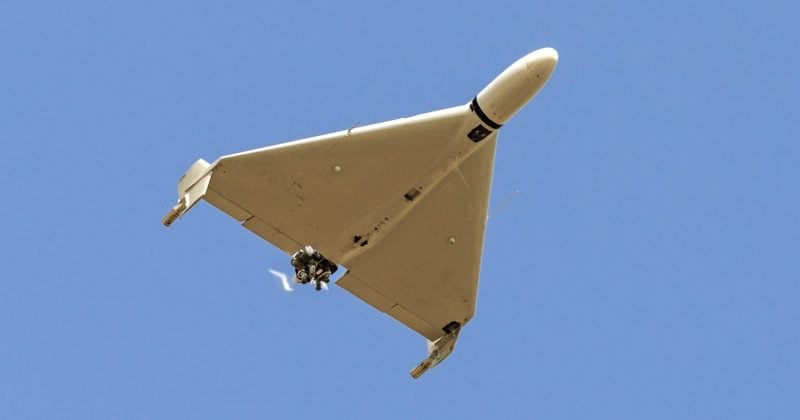
The latest exchange of fire between Washington and Tehran sent crypto markets into a tailspin, with Bitcoin shedding value and Iranian exchange outflows surging 700%.
Just now ago
Share
Add us on Google
US Central Command launched strikes against Iranian drone ground control stations near Bandar Abbas on May 27, targeting radar systems and command facilities that the Pentagon says were used to threaten shipping through the Strait of Hormuz. Bitcoin responded the way it usually does when missiles start flying: it went down.
The world’s largest cryptocurrency fell below $77,000 in the immediate aftermath, triggering roughly $300 million in liquidations across the derivatives market.
The US military characterized the operation as limited and defensive. Four incoming one-way attack drones were intercepted before reaching their targets, and the strikes on Iranian positions were designed to prevent a fifth launch in the Strait of Hormuz, one of the most critical oil transit chokepoints on the planet.
Advertisement
Iran didn’t take long to respond. Tehran claimed it had already downed a US drone and warned of stronger retaliation if attacks continued. That warning materialized days later on May 30, when an Iranian missile struck a US base in Kuwait, injuring personnel and damaging equipment.
The exchange comes against the backdrop of a ceasefire that took effect around April 7-8, 2026, following months of intense hostilities. This conflict didn’t start small. The 2026 escalation traces back to February 28, when a joint US-Israeli operation, dubbed Operation Epic Fury, resulted in the assassination of Iranian Supreme Leader Ali Khamenei.
What’s particularly notable is the activity on Iranian crypto exchanges. Nobitex, one of Iran’s largest crypto platforms, saw a 700% increase in outflows during the early stages of the conflict. Iranian users were pulling their digital assets off exchanges at seven times the normal rate, a classic sign of capital flight.
The Strait of Hormuz handles roughly a fifth of the world’s oil supply, so any disruption there doesn’t just affect energy prices. The $300 million liquidation event was painful but not catastrophic by crypto standards. For context, major deleveraging events in previous cycles have exceeded a billion dollars in a single day.
The Iranian exchange outflow data also bears watching. A 700% surge in outflows from platforms like Nobitex could invite increased regulatory scrutiny from Western governments concerned about sanctions evasion.
Disclosure: This article was edited by Editorial Team. For more information on how we create and review content, see our Editorial Policy.
Here are the four major events likely to matter the most for BTC and the broader crypto market for the week ahead.

Here are the four major events likely to matter the most for BTC and the broader crypto market for the week ahead.

Bitcoin is about to get a major bullish signal it hasn't had in over a year CoinDesk
Ethereum's liquidity challenges could lead to increased market volatility, impacting traders' strategies and potentially amplifying price swings. The post Ethereum surges nearly…