Federal Reserve faces risk of bond market turmoil by holding rates steady
The Fed's rate decision risks undermining market confidence, potentially escalating borrowing costs and fiscal deficits long-term. The post Federal Reserve faces risk…
Robinhood CEO Vlad Tenev said issuers should be involved if tokenized products change shareholder rights or company obligations, but not when they create separate instruments backed by shares.


 Written by Ezra Reguerrastaff writerReviewed by Felix Ngstaff editorWritten by Ezra Reguerrastaff writerReviewed by Felix Ngstaff editorRobinhood CEO says issuers should not have veto over tokenized stocksLatest NewsPublishedSep 14, 2026<!–>
Robinhood CEO Vlad Tenev said issuers should be involved if tokenized products change shareholder rights or company obligations, but not when they create separate instruments backed by shares.
 –>
–>
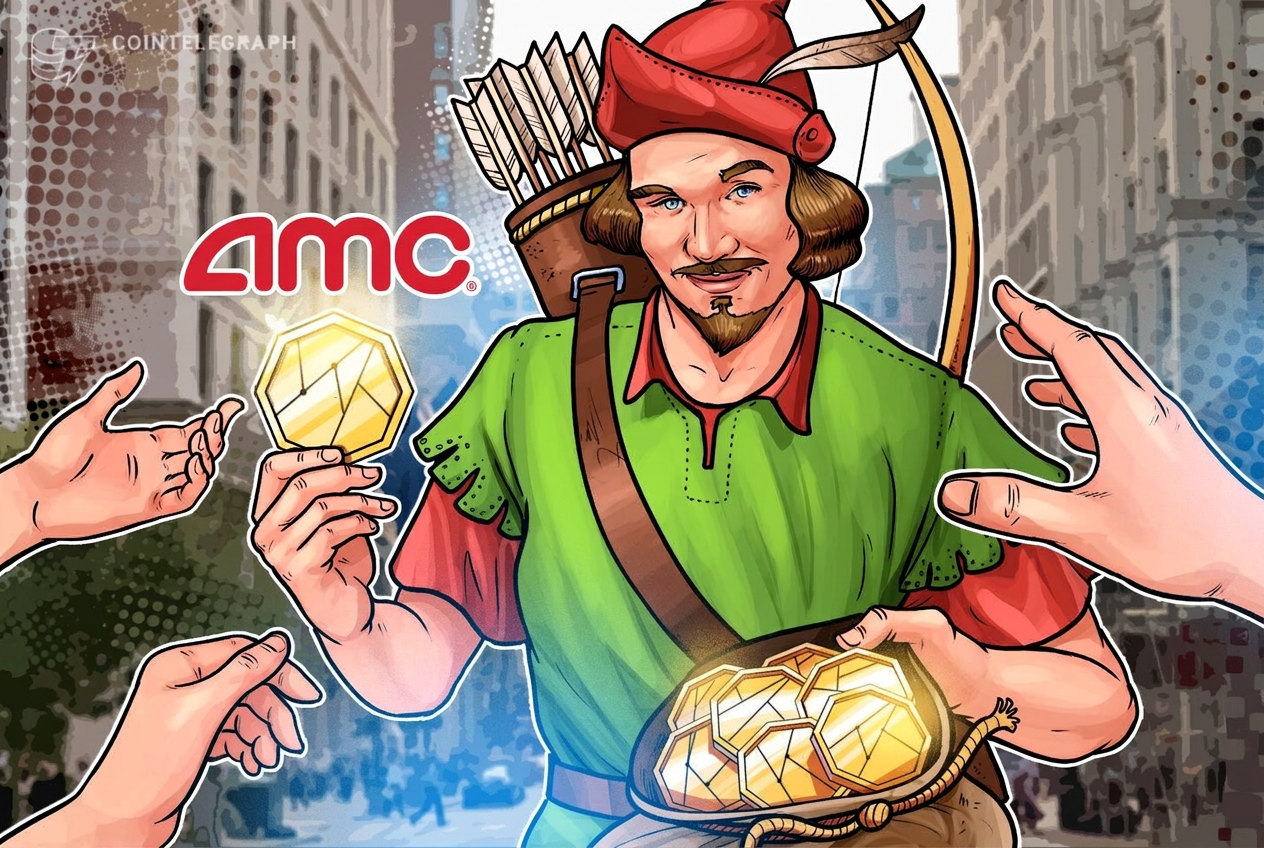
Robinhood CEO Vlad Tenev said companies should not have veto power over tokenized stock products that do not change shareholder rights, issuer obligations or a company’s official stock ledger.
In a post on X on Friday, Tenev said the question of issuer consent depends on whether a tokenized product changes the rights attached to the underlying shares or creates new obligations for the company or its transfer agent. If it does, he said the issuer should be involved.
However, Tenev said if the product creates a separate financial instrument that holds or references freely transferable shares without changing the issuer’s rights, obligations, or shareholder record, issuer consent should not be required.
The comments came after AMC Entertainment CEO Adam Aron criticized Robinhood’s tokenized stock offerings on Sept. 4, saying AMC had no affiliation with the products and would ask securities counsel to review them.
Tenev said Robinhood Stock Tokens use a third-party structure, with separately issued instruments backed 1:1 by underlying shares. The products provide economic exposure to stocks and exchange-traded funds without changing an issuer’s cap table or rights attached to its shares.
“Going onchain shouldn’t give the issuer a veto it never had offchain,” Tenev said.
Related: Robinhood chain to generate $160M in annual fees by 2028: Bernstein

 <!–>
<!–>
[–> Subscribe Cointelegraph is committed to independent, transparent journalism. This news article is produced in accordance with Cointelegraph’s Editorial Policy and aims to provide accurate and timely information. Readers are encouraged to verify information independently.
<!–>[–>Sep 11, 2026Christina Comben<!–>[–>
<!–>[–>Sep 11, 2026Ezra Reguerra<!–>[–>
<!–>[–>Sep 10, 2026Ezra Reguerra
<!–>[–>Sep 11, 2026Christina Comben<!–>[–>
<!–>[–>Sep 11, 2026Ezra Reguerra<!–>[–>
<!–>[–>Sep 10, 2026Ezra Reguerra
The Fed's rate decision risks undermining market confidence, potentially escalating borrowing costs and fiscal deficits long-term. The post Federal Reserve faces risk…
Mutsamudu, Comoros, September 14, 2026 – MEXC, a pioneer in 0-fee digital asset trading, has released its August trading data for new…

The analysts argued crypto markets currently have a bearish bias ahead of Tuesday's cloture vote and Wednesday's Federal Reserve decision.

The FCA said uncertainty over whether some tokenized gold products fall under UK fund rules could affect adoption and investor access.