Samsung Taps Solana for USDC Transfers Across 82 Million Galaxy Devices
Samsung Wallet will let eligible U.S. Galaxy users send stablecoins across borders without a separate crypto app. Continue reading at DailyCoin.

An unusual experiment explores whether a simple biological-inspired neural network can make trading decisions. Continue reading at DailyCoin.
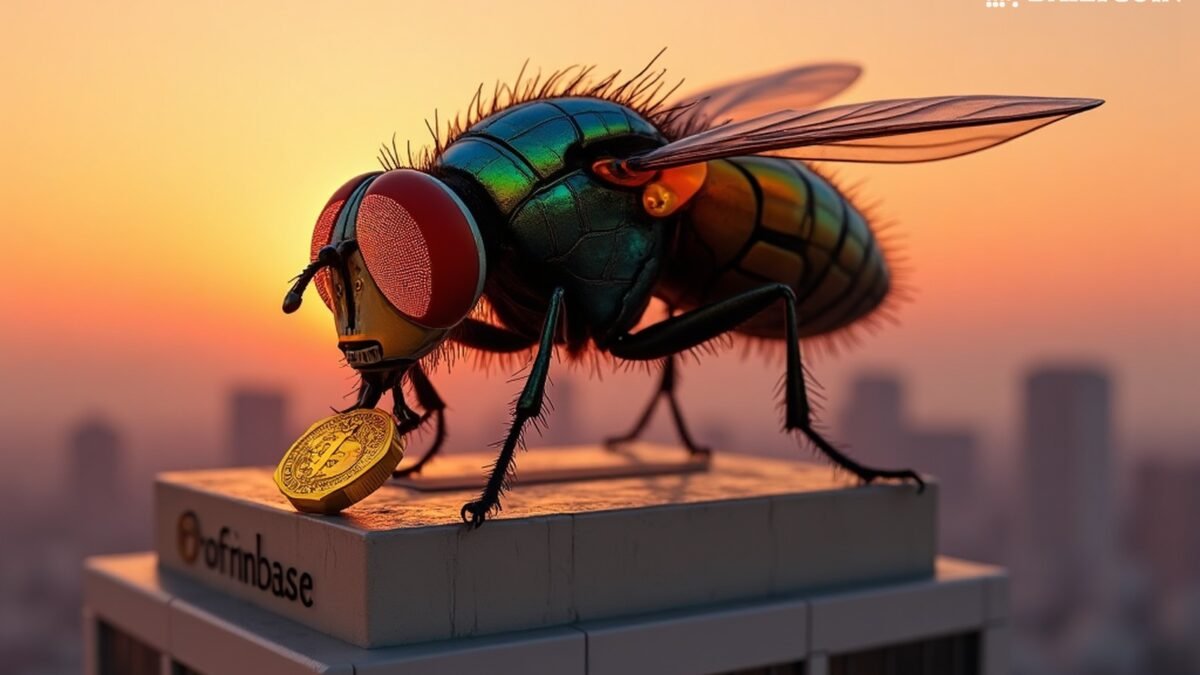
A Coinbase engineer built Stonkfly, a fly-brain crypto trading simulator. The 166,700-neuron model uses dopamine signals to reinforce profitable trades. Stonkfly runs on real BTC-to-USDC data with a $10 per-order cap. A Coinbase engineer has released Stonkfly, an open-source experiment that uses a simulated fruit fly brain to make cryptocurrency trading decisions. Stonkfly, the open-source project published on GitHub, presents the virtual fly with a candlestick chart based on cryptocurrency market data. The fly can choose to buy, sell or hold an asset, receiving simulated rewards or penalties based on changes in its portfolio. How Stonkfly Uses a Simulated Brain for Cryptocurrency Trading Rather than receiving cryptocurrency prices as a set of numbers, the simulated fly receives an image of a price chart. Stonkfly cycles through Bitcoin, Ethereum and Solana, converting the chart image into signals representing brightness and color before sending them through the simulated nervous system. The model contains about 166,700 simulated cells and 25.6 million connections and ultimately produces one of three signals: buy, sell or hold. Source: Stronkfly A separate position manager controls how those signals translate into trades. It considers the portfolio’s available cash, existing cryptocurrency holdings, and other trading limits. Stonkfly is configured to maintain a 40% target allocation to cryptocurrency, with any individual cryptocurrency limited to 18%. The developers say these limits are settings chosen for the experiment, not a portfolio strategy learned by the simulated brain. The project is primarily designed for paper trading, although it can route permitted live orders through Coinbase Advanced. How the Virtual Fly Learns From Trades Stonkfly also uses a simulated reward system to provide feedback to the neural network. When the overall portfolio changes by at least 0.01 USDC, the system sends a 200-millisecond signal into the simulated reward circuitry. Gains activate 15 simulated cells associated with dopamine, while losses activate two cells associated with aversive signals. The feedback can then modify selected connections in the simulated network. The developer warns, that that feedback should not be interpreted as evidence that Stonkfly has learned a profitable cryptocurrency trading strategy. Because the reward is based on the performance of the overall portfolio, the system cannot establish that a particular trade caused a gain or loss. The simulated brain receives a new market observation once a minute. The website, however, updates displayed portfolio values every second using Coinbase’s public market data. Those display updates do not trigger additional trades or learning. What Stonkfly Actually Demonstrates Stonkfly is an experiment in biologically inspired computing and cryptocurrency trading, rather than a proven trading system. Its purpose is to explore what happens when a detailed model of an animal nervous system is given visual market information and allowed to respond to financial rewards and losses. The project does not demonstrate that a simulated fruit fly can predict cryptocurrency prices or outperform conventional trading strategies. Its significance is instead in the unusual approach: using a large-scale reconstruction of an animal nervous system as the basis for an autonomous decision-making system. How to Run Stonkfly The project is open source and runs on macOS or Linux. Users need at least 16 GB of RAM, Python 3.11, and a C++17 compiler. Why This Matters Stonkfly is a novelty experiment, not a validated trading strategy, but it reflects growing interest in applying biologically inspired AI models to financial markets. Its open-source release may encourage further experimentation with neuron-based systems in crypto trading research. Dive into DailyCoin’s trending crypto scoops today:Key Pi Upgrade Lands. $1 Price Tag Still Has To Be Earned.SHIB Trillionaire Cashes 125B. The Tape Doesn’t Go Quiet
Samsung Wallet will let eligible U.S. Galaxy users send stablecoins across borders without a separate crypto app. Continue reading at DailyCoin.

Existing holders driving Bitcoin's value increase suggests potential market vulnerability, as reliance on internal trading may limit sustainable growth. The post Bitcoin…
Glassnode’s October 7 report puts the October 4 share at a one-year high, identifying potential supply during the breakout. The post Bitcoin’s…

Bitcoin’s realized cap rise in the 30 days to Oct. 5 came mostly from existing holders, not fresh capital, Glassnode data showed.