Bitcoin Traders Brace for These 4 Key Macro Events This Week
Here are the four major events likely to matter the most for BTC and the broader crypto market for the week ahead.
Iran's new platform could reshape maritime insurance dynamics, challenge US sanctions, and influence crypto's role in global trade logistics. The post Iran launches Hormuz Safe maritime insurance platform for vessels…
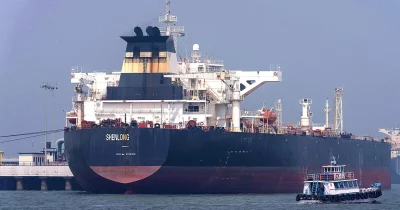
Iran launches Hormuz Safe maritime insurance platform for vessels in Strait of Hormuz
The platform reportedly offers digital insurance policies with cryptocurrency payment options for ships transiting one of the world’s most critical energy chokepoints.
Just now ago
Share
Add us on Google
Iran has launched a platform called “Hormuz Safe” designed to provide digital insurance policies for vessels passing through the Strait of Hormuz, with the system reportedly accepting cryptocurrency payments.
War-risk insurance premiums for vessels transiting the strait have surged from roughly 0.25% to as high as 10% of a vessel’s value for a single passage. A ship worth $100 million could face a $10 million insurance bill just to sail through the corridor. Average daily ship transits through the strait have dropped by about 95% due to heightened risks and threats from Iranian forces, according to recent tracking data.
Advertisement
Iran has been under extensive international sanctions for years, which means the country is largely cut off from the global banking system. Traditional insurance payments routed through Western financial institutions would be flagged, frozen, or blocked outright. Iran has previously used digital currency channels, including Bitcoin, for international trade.
Iran’s Ministry of Economic Affairs and Finance has been developing a civilian insurance-based mechanism for the Strait of Hormuz, with estimates suggesting it could generate over $10 billion in potential annual revenue.
The US has proposed a $40 billion reinsurance facility specifically designed to cover Hormuz-related shipping risks, positioning the American government as insurer of last resort for the strait.
Investors watching the intersection of crypto and geopolitics should pay close attention to which blockchains or tokens Iran might use for these transactions. Any tokens or protocols identified as facilitating sanctioned transactions could face regulatory action from the US Treasury’s Office of Foreign Assets Control.
Disclosure: This article was edited by Editorial Team. For more information on how we create and review content, see our Editorial Policy.
Here are the four major events likely to matter the most for BTC and the broader crypto market for the week ahead.

Here are the four major events likely to matter the most for BTC and the broader crypto market for the week ahead.

Bitcoin is about to get a major bullish signal it hasn't had in over a year CoinDesk
Ethereum's liquidity challenges could lead to increased market volatility, impacting traders' strategies and potentially amplifying price swings. The post Ethereum surges nearly…