XRP Price Prediction: Analyst Calls $750 Ripple Next Year
XRP trades near $1.51 as resistance at $1.52–$1.56 caps price. Claver maintains a $10,000 forecast, but the near-term chart remains range-bound. The…
Microsoft uncovers a deceptive new strain is hijacking clipboards and evading detection via Tor. Continue reading at DailyCoin.
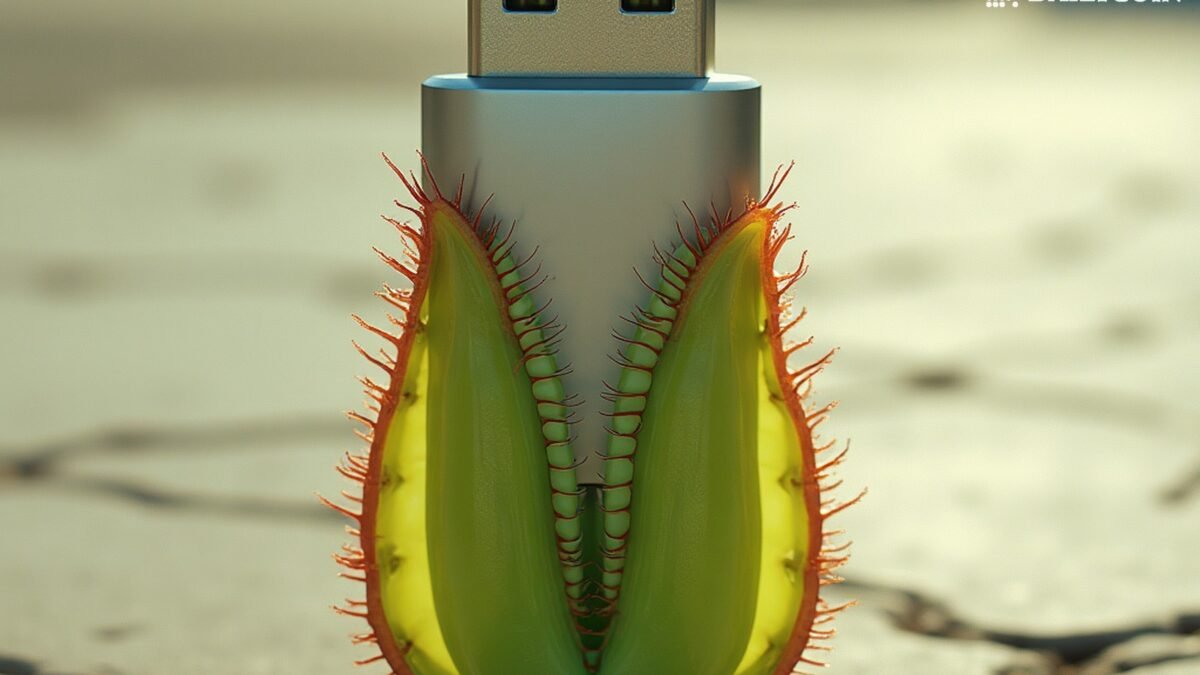
Microsoft’s Threat Intelligence team has detailed a sophisticated new strain of Windows-based “clipper” malware that has been quietly targeting cryptocurrency users since February 2026. Unlike typical modern cyber threats, this malware doesn’t rely on phishing emails, malicious browser extensions, or fake wallet apps. Instead, it spreads the old-fashioned way: through infected physical USB drives. What is Clipper Malware? A “clipper” is a highly specific type of malicious software designed to exploit a universal digital habit: copying and pasting. The software constantly monitors a computer’s clipboard—the temporary digital memory used when you copy text. When it detects sensitive financial data, most commonly a cryptocurrency wallet address, it silently replaces it with an address controlled by the attacker. The USB Infection Chain According to a Microsoft report, the attack begins when a user plugs in a compromised USB drive and opens what appears to be a normal document. In reality, it is a disguised shortcut file. Once opened, the virus silently installs itself and immediately attempts to jump to any other removable drives connected to the machine, allowing it to spread laterally between coworkers, friends, and systems. Once active in the background, the stakes get incredibly high: Fund Hijacking: If a user copies a crypto wallet address to make a transaction, the malware swaps it with the attacker’s address. It even matches the first and last characters of the original address to trick the user. Full Wallet Takeover: If a user copies sensitive recovery data, like seed phrases or private keys, the malware captures it outright, giving criminals total control of the funds. Going Dark Over the Tor Network What makes this specific strain unusual—and dangerous—is how it hides its tracks. Instead of connecting directly to standard internet servers, the malware utilizes a built-in, hidden version of the Tor network. By routing all of its stolen data through a local proxy to a secret .onion website, it easily evades traditional network security tools that monitor normal internet traffic. Furthermore, the malware grants attackers remote command execution. This means criminals aren’t just stealing crypto; they gain a persistent backdoor to run any code they want on the infected computer. How to Protect Your Funds Because this malware specifically generates fake addresses that mimic the first and last characters of your intended destination, casual “eyeball” verification will fail. To protect your assets, security experts recommend a few immediate adjustments: Verify Every Character: When transferring crypto, double-check the entire string of the wallet address before hitting send, not just the outer flanks. Use Hardware Wallets: Where possible, utilize hardware wallets. These devices require you to physically confirm and view the full, unmanipulated destination address on an isolated screen before funds leave your possession. Ditch Unknown USBs: Treat physical flash drives with the same suspicion you would reserve for a sketchy email link. Never plug an untrusted drive into a critical computer. Why This Matters Unlike large-scale exchange hacks, the clipper malware directly targets individual investors by hijacking the simple act of copying and pasting. Because it perfectly mimics the look of real wallet addresses, casual spot-checking is no longer enough to protect your funds. Stay in the loop with DailyCoin’s popular crypto scoops:AI Crypto Tokens Slide Just as ETF Door Opens for InstitutionsKentucky Sues Polymarket and Kalshi, Challenging Trump-Era Crypto Policy People Also Ask: What is clipper malware? Clipper malware is a type of malicious software that monitors a device’s clipboard (where copied text is temporarily stored). When it detects specific data, like a cryptocurrency wallet address, it secretly swaps it with an address controlled by an attacker. How does clipboard-hijacking malware spread? While many cyber threats spread online through phishing emails or malicious downloads, clipper malware can also spread physically via infected USB flash drives or laterally across shared local networks. Why is casual verification not enough to spot a wallet address swap? Advanced clipper malware can automatically generate fraudulent wallet addresses that match the exact first and last characters of the original address. Because many users only visually check the outer flanks of a long address string, the swap easily goes unnoticed.
XRP trades near $1.51 as resistance at $1.52–$1.56 caps price. Claver maintains a $10,000 forecast, but the near-term chart remains range-bound. The…

XRP trades near $1.51 as resistance at $1.52–$1.56 caps price. Claver maintains a $10,000 forecast, but the near-term chart remains range-bound. The…

The escalating costs of AI training could lead to industry consolidation, limiting competition to a few major players, while cheaper inference may…

The escalating costs of AI training could lead to industry consolidation, limiting competition to a few major players, while cheaper inference may…