XRP Price Prediction: Analyst Calls $750 Ripple Next Year
XRP trades near $1.51 as resistance at $1.52–$1.56 caps price. Claver maintains a $10,000 forecast, but the near-term chart remains range-bound. The…
The attack highlights vulnerabilities in Gulf energy infrastructure, potentially increasing geopolitical tensions and impacting global oil markets. The post Oil touches two-week high after drone attack on UAE nuclear plant…
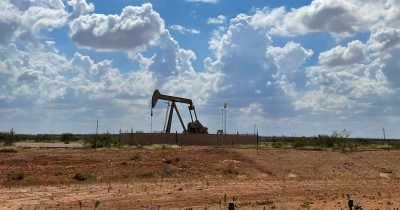
Oil touches two-week high after drone attack on UAE nuclear plant
Brent crude climbed more than 1% after a drone struck an external generator at the Barakah Nuclear Power Plant, reigniting fears over Gulf energy infrastructure security.
Just now ago
Share
Add us on Google
A drone attack on the United Arab Emirates’ Barakah Nuclear Power Plant sent oil prices to their highest level in two weeks, as traders scrambled to price in the possibility that Gulf energy infrastructure could face further strikes.
Brent crude rose more than 1% on the news. The attack targeted an external electrical generator at the facility, located in Abu Dhabi’s Al Dhafra region. No injuries or radiological impact were reported, and UAE officials said essential systems are operating normally.
Three drones were launched from the UAE’s western border. Two were intercepted before reaching their target. The third made it through, striking a generator situated outside the main nuclear plant.
Advertisement
The reactor itself and its safety systems were unharmed, according to UAE officials. The UAE Foreign Ministry labeled the incident a “terrorist attack.” The attack has been attributed to Iran-aligned actors, though the UAE has not officially assigned blame while investigations continue.
The Barakah plant itself isn’t an oil facility. It’s a nuclear power station designed to generate electricity. But if a drone can reach a nuclear plant in one of the most heavily defended countries in the Gulf, it can presumably reach an oil terminal or refinery too.
That logic is what pushed Brent crude up more than 1% in a single session. The attack also revived memories of the September 2019 drone and missile strikes on Saudi Arabia’s Abqaiq processing facility, which temporarily knocked out roughly half of the kingdom’s oil output.
The fact that two out of three drones were intercepted represents a fairly high success rate for air defenses. But in asymmetric warfare, the attacker only needs to get through once.
The Barakah Nuclear Power Plant is the Arab world’s first operational multi-unit nuclear energy facility, developed by the Emirates Nuclear Energy Corporation and Korean partners. It is expected to meet up to 25% of the UAE’s electricity needs and represents a cornerstone of the UAE’s strategy to diversify its energy mix away from hydrocarbons.
Geopolitical risk premiums tend to spike quickly and fade gradually if no further escalation materializes. Oil prices behaved this way after the Abqaiq attack: an initial surge followed by a relatively swift retreat once Saudi production was restored.
The UAE’s decision not to publicly name the attackers while investigations continue could be read as an effort to keep the situation from spiraling. It could also be read as buying time to coordinate a response with allies.
Disclosure: This article was edited by Editorial Team. For more information on how we create and review content, see our Editorial Policy.
XRP trades near $1.51 as resistance at $1.52–$1.56 caps price. Claver maintains a $10,000 forecast, but the near-term chart remains range-bound. The…

XRP trades near $1.51 as resistance at $1.52–$1.56 caps price. Claver maintains a $10,000 forecast, but the near-term chart remains range-bound. The…

The escalating costs of AI training could lead to industry consolidation, limiting competition to a few major players, while cheaper inference may…

The escalating costs of AI training could lead to industry consolidation, limiting competition to a few major players, while cheaper inference may…