Musk’s SpaceX and Starlink Hijacked as ‘SCATMAN’ Memecoin Rockets to $32M on Robinhood Chain
Attackers seized the official X accounts of SpaceXAI and Starlink on Sunday to promote a memecoin called Scam Altman (SCATMAN), which briefly…

The proposed amendments could enhance legal clarity and creditor recovery in civil cases, impacting crypto asset management and investor strategies. The post South Korean Supreme Court proposes amendments for crypto…

South Korean Supreme Court proposes amendments for crypto asset seizure procedures
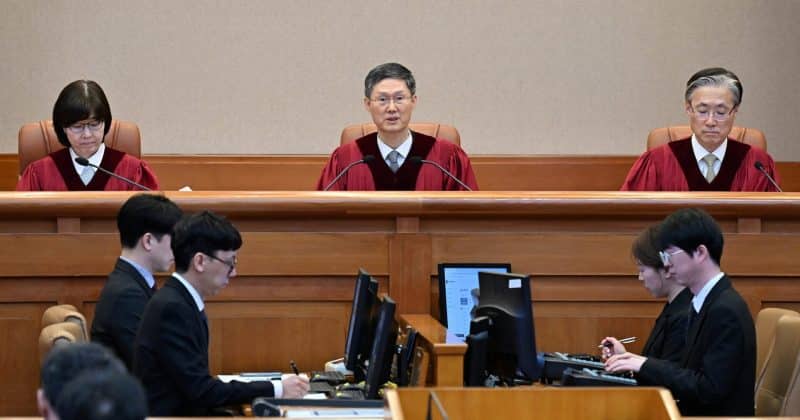
New rules would formalize how courts seize and liquidate digital assets in civil cases, with an October 2026 effective date
Jul. 6, 2026
Share
Add us on Google
South Korea’s highest court wants to make it official: your crypto can be seized in a lawsuit. The Supreme Court has proposed amendments to the country’s Civil Execution Rules that would create standardized procedures for seizing and liquidating digital assets during civil litigation.
The proposed rules are open for public comment until August 11, 2026, with an expected effective date of October 1, 2026.
The proposed amendments lay out formal processes for how courts can seize digital assets held on exchanges during civil enforcement actions. Once a seizure order is in place, the rules would prohibit debtors from disposing of the targeted crypto. Third-party transfers would also be blocked.
Advertisement
The amendments also address how seized crypto gets converted into cash. Courts would be able to facilitate sales through virtual asset operators, essentially using exchanges as the mechanism to liquidate holdings. The proposed rules would allow for converting less liquid tokens into Bitcoin via exchanges before final liquidation.
These amendments build on a ruling from January 2026 in which the Supreme Court recognized Bitcoin held on domestic exchanges as property eligible for seizure in criminal investigations.
That decision resolved a longstanding ambiguity in South Korean law. Before January, the legal status of digital assets under property law was unclear, particularly when it came to criminal confiscations. The January ruling closed that door in criminal cases. The Supreme Court’s latest proposal extends similar clarity to the civil side, filling a procedural gap that left civil litigants without clear tools for recovering digital assets.
Prior to these developments, South Korea’s Virtual Asset User Protection Act, which went into effect in 2024, established baseline protections for crypto investors and imposed obligations on exchanges.
For individual crypto holders in South Korea, assets sitting on a regulated exchange are now explicitly within the reach of civil judgments, giving creditors a clearer path to recovery.
The public comment period running through August 11 gives industry participants a window to push back or suggest modifications before the October 1 effective date.
Disclosure: This article was edited by Editorial Team. For more information on how we create and review content, see our Editorial Policy.
Attackers seized the official X accounts of SpaceXAI and Starlink on Sunday to promote a memecoin called Scam Altman (SCATMAN), which briefly…

BitFuFu's strategic shift to expand mining capacity may increase market sell pressure, influencing Bitcoin's price dynamics and investor sentiment. The post BitFuFu…

FBI Louisville warns about scammers impersonating law enforcement demanding cryptocurrency payments via ATMs or wires, often using fake documents. The post FBI…

Bitcoin is trading around $63,000, down 2% over the last 24 hours, as the United States launched a third round of strikes…