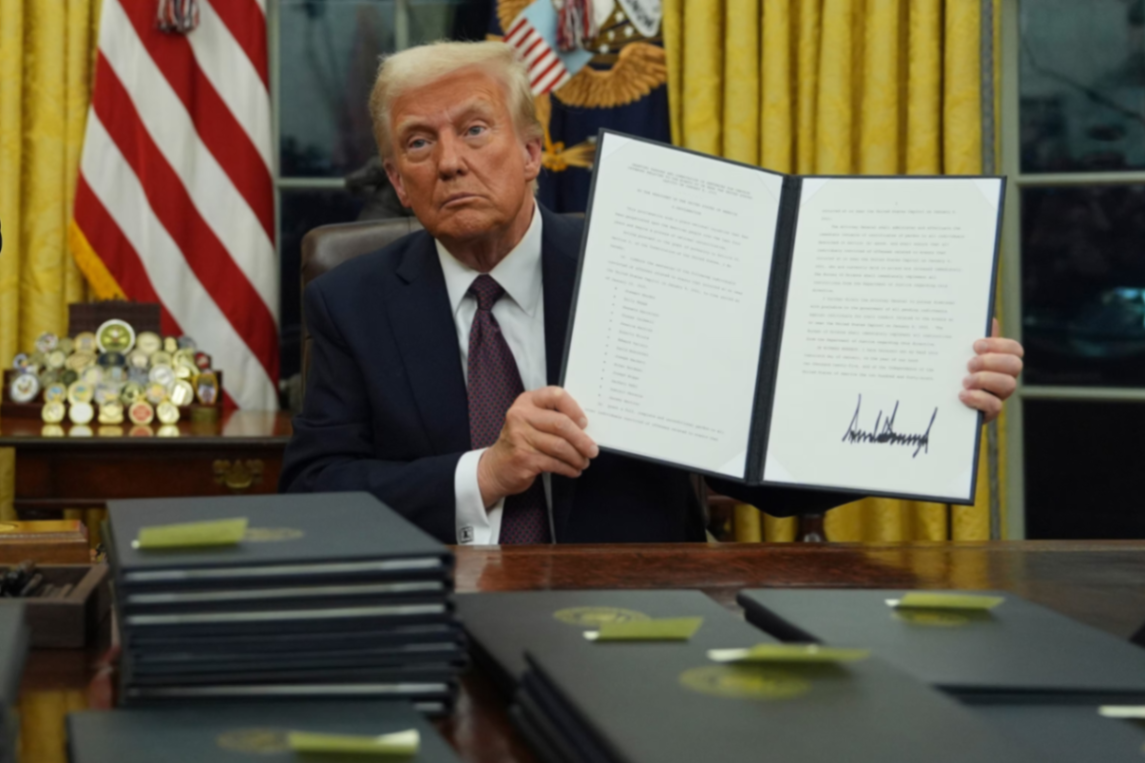
Donald Trump hosts Xi Jinping for AI-focused two-day summit starting September 23
The summit could redefine global AI standards, impacting tech regulations and market dynamics, while influencing US-China economic relations. The post Donald Trump…
The partnership may redefine revenue models in the music industry, balancing innovation with artist rights and reshaping copyright dynamics. The post Warner Music Group partners with Suno to launch AI…
<!– Headline – top left. Not an : the mobile layout above already
renders the real for this article; this is its desktop-width
visual restyle, kept out of the heading outline so the page has
exactly one regardless of viewport (CB-16). –>
Warner Music Group partners with Suno to launch AI music models trained on licensed catalog
The deal settles a bitter copyright lawsuit and creates a new revenue-sharing structure for artists whose work trains generative AI
Sep. 20, 2026
Share
Add us on Google
Warner Music Group and AI music platform Suno have gone from courtroom adversaries to business partners. The two companies struck a licensing deal that lets Suno train its latest generation of AI models on WMG’s catalog, while routing a share of revenue back to the artists and songwriters whose work feeds the machine.
The partnership, first announced in November 2025, has now culminated in a tangible product: Suno’s v6 suite of AI models, launched on September 9, 2026. The suite includes v6, v6-wild, and a free tier called v6-mini, all built on licensed content from WMG alongside deals with BMG and Believe.
Rewind to 2024, and the relationship between Suno and the major labels looked very different. WMG, alongside Universal Music Group and Sony Music, had filed a copyright lawsuit against Suno, alleging the platform had trained its models on copyrighted music without permission.
Advertisement
Instead, WMG broke ranks. It settled separately and signed a licensing agreement that created an opt-in system for artists. Under this structure, artists can choose whether their work and likenesses are used in AI-generated features, including AI remixes. WMG CEO Bob Kyncl framed the deal as a win for rightsholders, describing it as the first time artists could earn revenue from AI-generated music on top of their traditional streaming income.
UMG and Sony, notably, have not settled. Their lawsuits against Suno remain active.
Daily. Free. Join 34,000+ readers across crypto, finance, and policy.
We respect your privacy. Unsubscribe anytime.
The platform now claims over 2 million paying subscribers and roughly 100 million users who have created content on the platform. Those numbers helped push the company’s valuation to $5.4 billion following the v6 launch.
With the v6 launch, Suno retired its previous models entirely. The company also formalized a revenue-sharing structure that distributes earnings to participating labels and artists.
The opt-in framework is designed to give artists control. In theory, no one’s voice or catalog gets fed into the AI without their consent. Some artists and their representatives have welcomed this, viewing it as a reasonable compromise that lets them participate in a new revenue stream while maintaining guardrails around their creative identity.
Others are less enthusiastic. The concern is straightforward: even with opt-in controls, widespread participation in AI music creation could dilute the value of original work.
The fact that UMG and Sony are still litigating means Suno’s v6 models are training on a significant but incomplete slice of the global music library.
Disclosure: This article was edited by Editorial Team. For more information on how we create and review content, see our Editorial Policy.
The summit could redefine global AI standards, impacting tech regulations and market dynamics, while influencing US-China economic relations. The post Donald Trump…
Gemini’s exchange business is shrinking. Its regulatory licenses may be the real prize CoinDesk
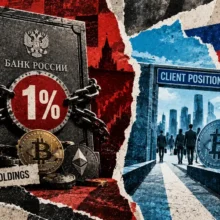
The draft counts banks’ own holdings and crypto-linked instruments against capital but conditionally excludes customer assets. The post Why Russia’s harsh 1%…
Trump posted on Truth Social that his new project would manage the fast-growing sector without adding regulations that could slow innovation.