Wolf price today, WOLFBYRRGIS to USD live price, marketcap and chart – CoinDesk
Wolf price today, WOLFBYRRGIS to USD live price, marketcap and chart CoinDesk
Zimbabwe's fintech sandbox fosters innovation while enhancing regulatory oversight, potentially boosting investor confidence and market stability. The post Zimbabwe admits seven fintech projects to regulatory sandbox appeared first on Crypto…

Zimbabwe admits seven fintech projects to regulatory sandbox
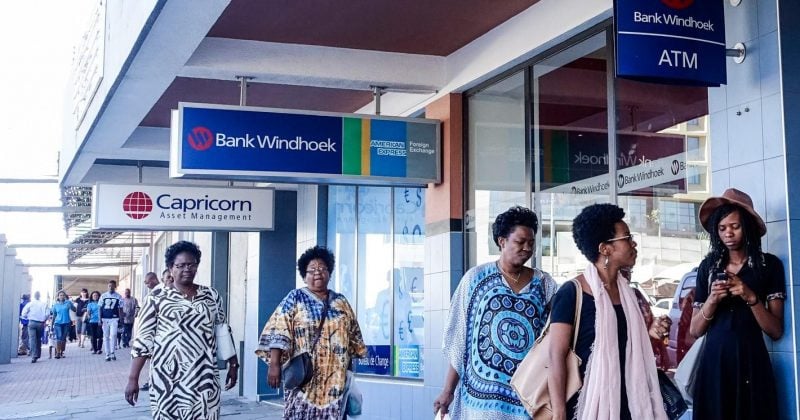
The Securities and Exchange Commission of Zimbabwe greenlit blockchain, tokenization, and crowdfunding ventures for supervised testing in a move that could reshape the country’s capital markets.
Jul. 27, 2026
Share
Add us on Google
Via carnegieendowment.org
Zimbabwe’s securities regulator just opened its doors to seven fintech projects, giving them a controlled environment to test blockchain platforms, tokenization tools, and crowdfunding solutions. The Securities and Exchange Commission of Zimbabwe (SECZ) approved the cohort on July 24, marking a notable expansion of the country’s approach to regulating digital finance.
Sandbox participation lets these firms run live tests under regulatory supervision, but it does not guarantee full commercial registration or licensing.
Advertisement
The approved participants include Zimbabwe Entrepreneurship Exchange, Ndarama Standard (Private) Limited, Questview Brokers (Private) Limited, Crowdaxe Capital (Private) Limited, and Procode Platforms, among others. The projects span several categories that the SECZ considers priorities: tokenization of assets, blockchain infrastructure, crowdfunding mechanisms, and broader capital market innovations.
The Reserve Bank of Zimbabwe (RBZ) launched its own regulatory sandbox back in March 2021, focused broadly on fintech innovation. The SECZ’s sandbox, by contrast, zeroes in on securities and capital markets, creating a complementary layer of oversight rather than a competing one.
Zimbabwe also implemented the Virtual Assets Act in 2025, establishing oversight for virtual asset service providers operating within the country. That legislation laid the legal groundwork for the kind of projects now entering the SECZ sandbox.
The sandbox structure provides a layer of investor protection that is often missing in less regulated crypto markets. Projects operating within the SECZ’s sandbox must comply with supervisory requirements. Companies that fail to meet regulatory standards during the testing phase could see their projects shelved. And even successful sandbox participants face a second hurdle: obtaining full commercial registration, which will require meeting additional compliance thresholds.
Disclosure: This article was edited by Editorial Team. For more information on how we create and review content, see our Editorial Policy.
Wolf price today, WOLFBYRRGIS to USD live price, marketcap and chart CoinDesk
Global trade still relies on outdated correspondent banking networks, pre-funded Nostro/Vostro accounts, and time-zone mismatches that cause multiday delays. Industry leader John…


Should traders be watching a key imbalance zone for signs of buyer demand?


SK Hynix fell 13% as Nvidia's OpenAI bet, China's CXMT listing, and AI capex doubts hit chip stocks. The post AI Memory…